Retaliation Claims in San Jose, CA: Steps Employees Should Know
Retaliation Claims in San Jose, CA: Steps Employees Should Know
Workplace retaliation in San Jose, CA occurs when an employer punishes an employee for engaging in a legally protected activity, such as reporting misconduct or filing a complaint, making it one of the most common employment law violations in California.
What Counts as Retaliation in the Workplace?
Retaliation includes any adverse employer action taken because an employee exercised a protected right, such as reporting discrimination, requesting leave, or cooperating with an investigation.
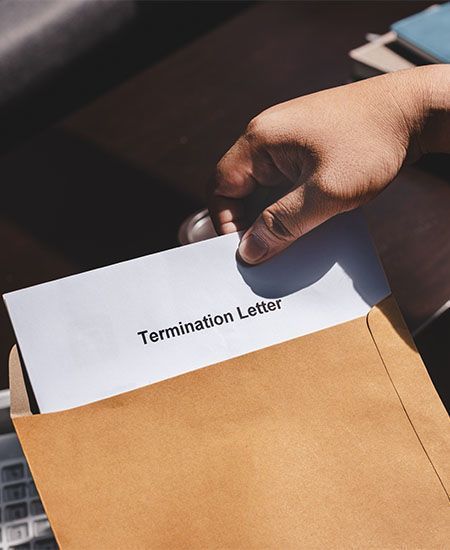
Common examples include sudden demotions, unwarranted negative performance reviews, schedule changes designed to create hardship, or outright termination. The key factor is timing and context: if the adverse action closely follows a protected activity, that pattern can support a retaliation claim.
California law offers broad protections for employees who speak up about workplace problems. Even informal complaints made to a supervisor, not just formal HR filings, can qualify as protected activity under state and federal statutes.
How Does a Retaliation Claim Move Forward?
A retaliation claim typically requires showing that you engaged in a protected activity, your employer knew about it, and an adverse action followed as a result.
Documenting the timeline is critical. Saving emails, performance reviews, and any written communications that show a shift in how your employer treated you after you spoke up can strengthen your position significantly. Witnesses who observed the change in treatment can also provide important support.
Employees searching for retaliation help near me often discover that California has some of the strongest anti-retaliation protections in the country, which means local legal guidance is especially valuable. You can explore what retaliation representation in San Jose typically involves to better understand your options before taking action.
Which Protected Activities Trigger Retaliation Protections?
Protected activities include reporting illegal conduct, filing a workers' compensation claim, participating in a discrimination investigation, or refusing to follow an unlawful employer directive.
Whistleblower reports to government agencies, internal ethics complaints, and requests for disability accommodations all fall within this category. The breadth of protected conduct under California law means many employees do not realize they were already protected when the retaliation began.
Understanding which specific activity triggered the employer's response helps an attorney identify the strongest legal theory for your case and the appropriate agency or court to file with.
How San Jose's Tech-Heavy Economy Shapes Retaliation Cases
San Jose's large technology and healthcare sectors create specific retaliation patterns, including pressure on employees who report data privacy violations, safety concerns, or financial misconduct within large corporate structures.
In high-growth companies, retaliation sometimes takes subtle forms such as being excluded from key projects, losing equity opportunities, or being passed over for promotions after raising concerns. These less obvious actions can still constitute unlawful retaliation under California law.
If you believe your employer acted against you after you reported a problem, speaking with an attorney early helps preserve your rights and deadlines. Employees looking to connect with a whistleblower and retaliation attorney in San Jose can take that step through the Law Offices of Joel P. Waelty.
Retaliation claims require careful documentation and a clear understanding of California's employee protections. Schedule a conversation with the Law Offices of Joel P. Waelty to start reviewing the facts of your situation.